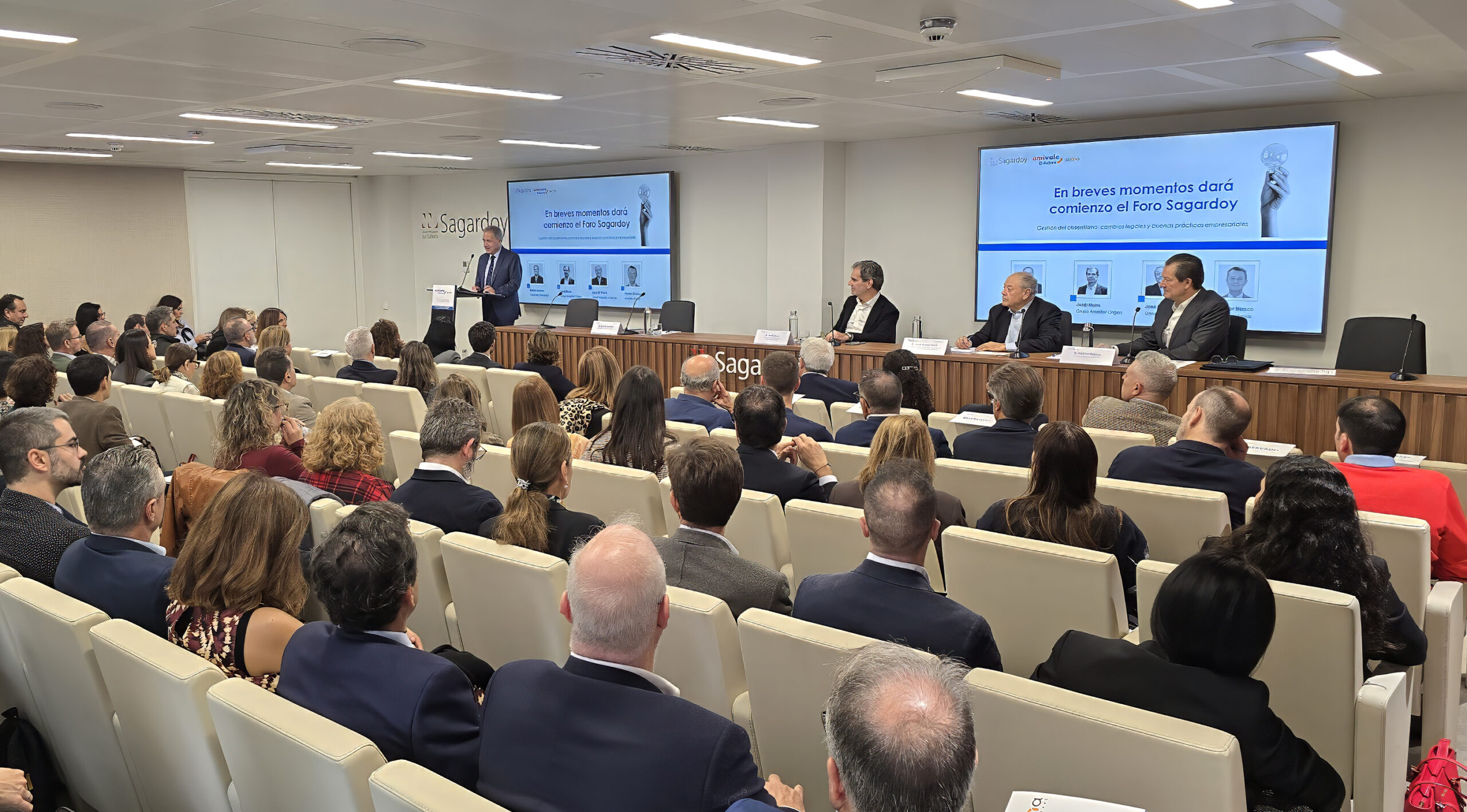
Sagardoy and Umivale Activa organised an event in Madrid to examine trends in sickness absence in Spain, the challenges posed by the current regulatory framework and potential ways to improve its management. The event brought together experts from the legal, academic and business communities.
The rise in sickness absence has become one of the main challenges facing the Spanish labour market, given its impact on employees, businesses and the sustainability of the system. Against this backdrop, Sagardoy and Umivale Activa brought together experts from different fields at the Juan Antonio Sagardoy Auditorium in Madrid to examine the issue from a range of perspectives.
The discussion took as its starting point the main findings of a study on the factors driving workplace absenteeism, carried out by Umivale Activa in collaboration with the Valencian Institute of Economic Research (Ivie). According to the data presented at the event, in 2025 the rate of workplace absenteeism due to sickness absence reached 6.26% of potential working days.
The event provided an opportunity to explore both the factors behind this trend and potential improvements from a regulatory and business management perspective.
The legal framework in the context of rising sickness absence
Martín Godino, Managing Partner at Sagardoy, examined developments in the regulatory framework and some of the legislative changes that have affected the management of sickness absence in recent years.
These included the repeal in 2020 of Article 52(d) of the Spanish Workers’ Statute, the adoption of Law 15/2022 on equal treatment and non-discrimination, and the 2023 reform of the Spanish General Social Security Law. He also outlined several areas for improvement aimed at making the management of sickness absence more effective, including greater coordination between the Public Health Services and the National Social Security Institute (INSS), more streamlined procedures for certifying and ending periods of sickness absence, strengthening the INSS Medical Inspectorate, and making better use of the capabilities and experience of mutual insurance societies in managing sickness absence.
He also highlighted the possibility of exploring measures such as partial returns to work or returns subject to specific workplace adjustments.
A challenge that requires a coordinated approach
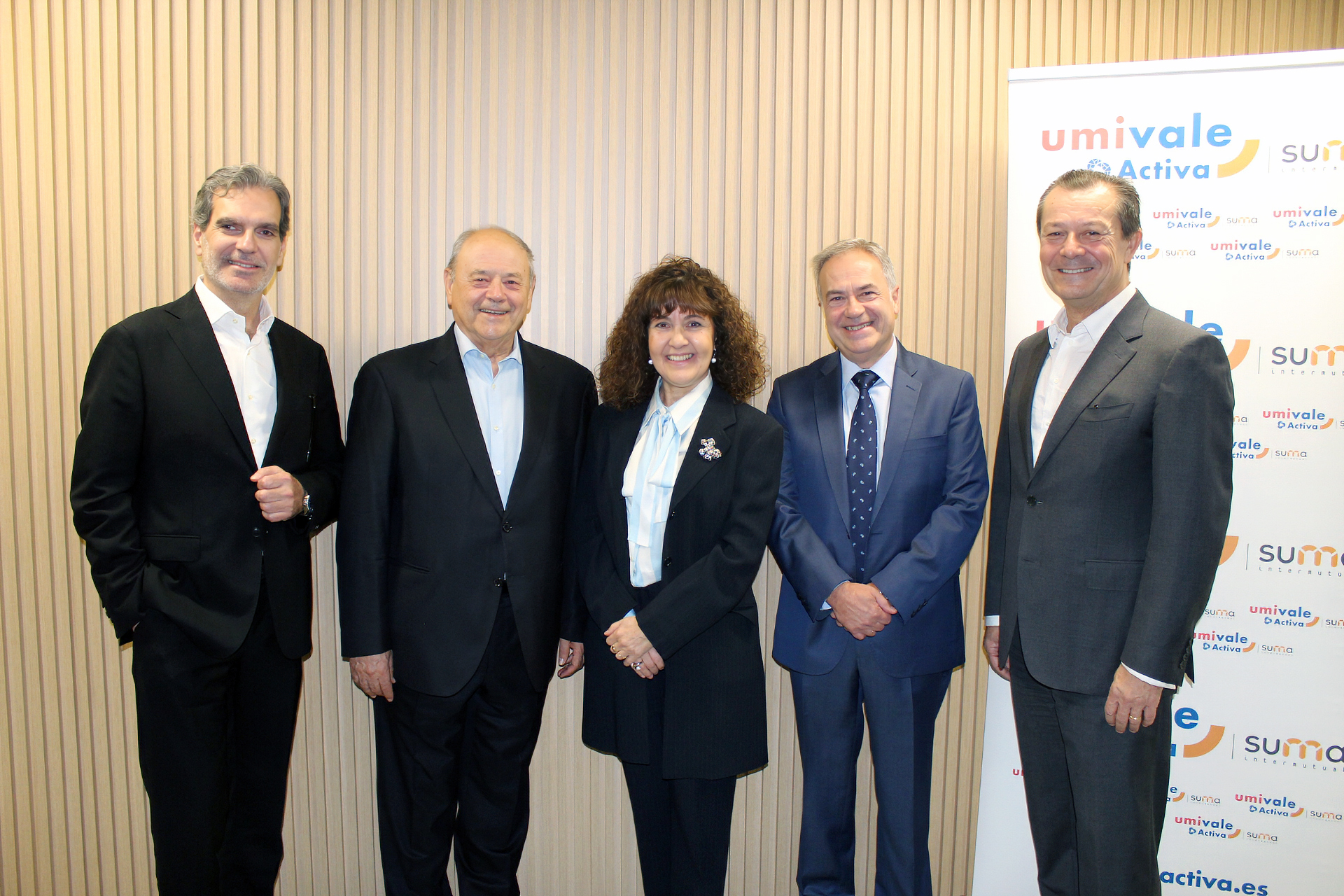
The event also brought together perspectives from academia, business and mutual insurance societies that collaborate with the Spanish Social Security system. Héctor Blasco, Managing Director of Umivale Activa, and José María Peiró, Emeritus Professor of Work and Organisational Psychology at the University of Valencia, discussed the study’s main findings and the factors behind the rise in sickness absence in Spain.
Jordi Muns, Director of Corporate Services at Grupo Ametller Origen, shared the company’s experience and a number of good practices aimed at preventing and managing workplace absenteeism within organisations.
The event was moderated by Raquel Sabé, Director for Large Companies in Madrid at Umivale Activa, and closed by Iñigo Sagardoy, Chairman of Sagardoy, and Araceli Morato, Chair of Umivale Activa, who highlighted the role of mutual insurance societies working with the Spanish Social Security system and the need to address workplace absenteeism as a challenge that extends beyond the business sphere.
The event highlighted the need to address rising sickness absence through a coordinated approach, combining an appropriate regulatory framework with preventive measures and good business practices that can contribute to more effective management.


